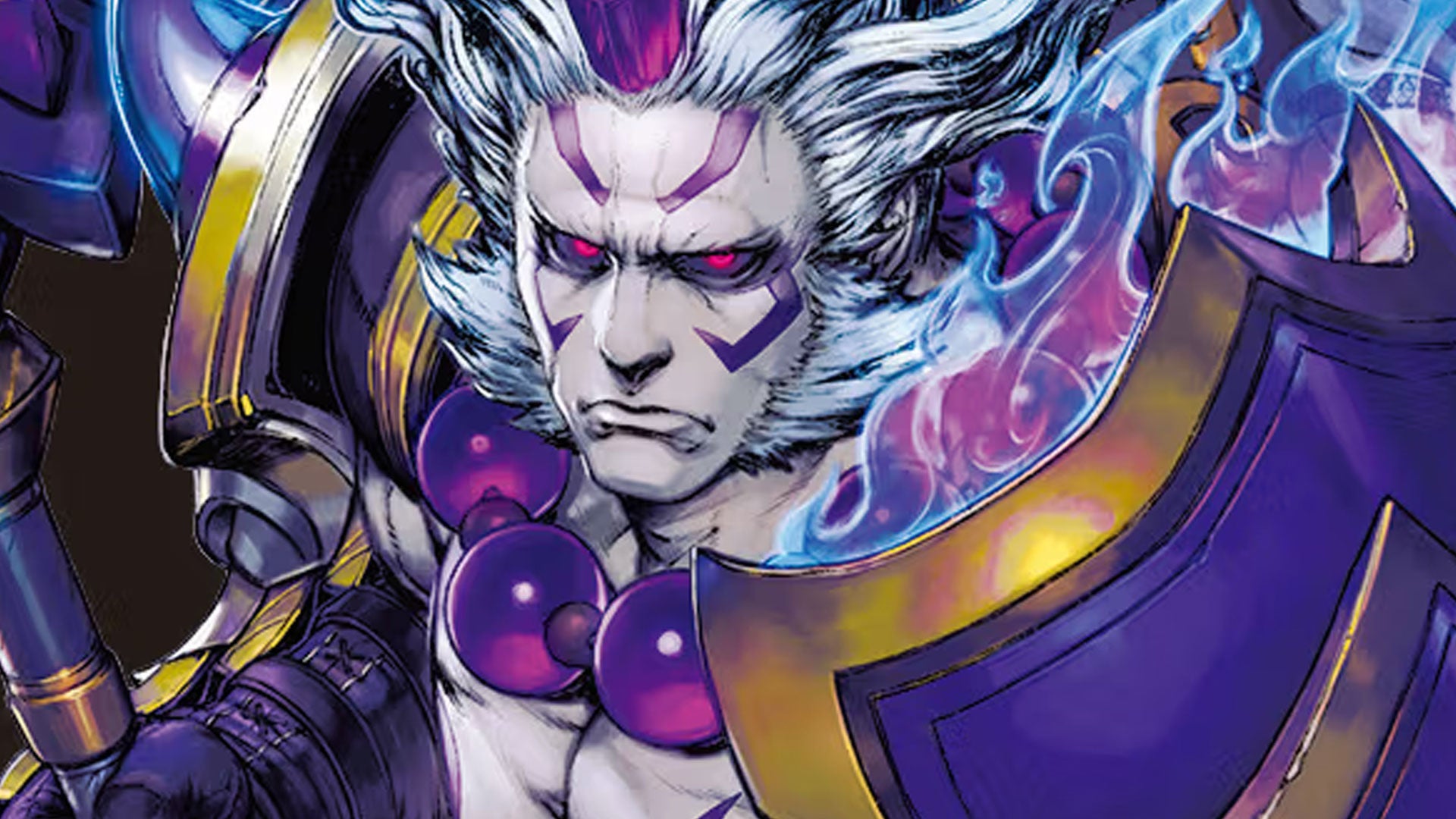

Riot’s latest venture into the trading card game space with League of Legends’ Riftbound continues to grow with its second set, Spiritforged. The young TCG is holding its own with the likes of Disney Lorcana, Magic: The Gathering, the Gundam Card Game, and many other TCGs competing for the attention of gamers. In the latest Riftbound set, players are introduced to new gameplay mechanics like equipment, which is featured heavily in one of the new champion decks releasing alongside the set. Although global release timings haven’t synced up yet with this expansion, there’s still room for the meta to see some interesting changes when more regions get to play around with the new cards and brew some decks.
So far in Riftbound, pre-constructed champion decks have been the easiest way for new players to jump into games right out of the box. Like starter decks in other TCGs, champion decks have everything you need to play a match. One of the League of Legends’ champions being highlighted in a big way in this set is Fiora. This deck, as well as Fiora’s cards, focus on the keyword Mighty. A unit is Mighty when it has 5+ might, whether that’s printed on the card or gained through a buff. Might in Riftbound represents both a unit’s health and damage output, so decks that tend to have the Mighty keyword are usually big tanky units or have spells to buff. The Fiora champion deck in particular consists of the orange and yellow colors or Body and Order domains, respectively. Orange (Body) cards have big units or have cards to buff units to Mighty status, where yellow (Order) tends to go wide with opportunities to play many token units. With the new Equipment type for gear, this means easily buffing smaller units such as tokens to become Mighty, and that’s where Fiora’s champion decks shine.

Alongside equipment, Riftbound is also introducing the keyword Weaponmaster, which allows the player to equip an available equipment for one less rune or mana to the Weaponmaster unit when played. Imagine a token Sand Soldier unit equipped with Doran’s Blade giving +2 might, and Lucian Merciless enters the field with Weaponmaster. Lucian with his ability can receive the blade from Sand Soldier, making his total might 5 and thus becoming Mighty. Equipment is just another classification of gear, so equipment will need to be played onto the field before paying the extra cost to equip to a unit. In addition to gear giving might, they can also have an ability like Sacred Shears that gives the equipped unit a card draw when they die. Since Equipment doesn’t leave the field when the carrier dies, other surviving units can potentially take up the arms and continue the aggro. The new equipment and Weaponmaster keyword really capitalizes on this color and domain combination in the Fiora deck. It was very easy to play out units and buff to hold locations throughout the game. I’d personally favor this deck since I enjoyed my time with Volibear early on, but the other champion deck led by the Rumble is quite fun as well.
Instead of focusing on new mechanics like equipment or Weaponmaster in the Fiora deck, the Rumble deck is just good ol’ unit synergy. The Rumble deck is a mech deck where it’s beneficial to have many mechs in play. For instance, the passive ability from the legend Rumble gives all your mechs Shield, which is +1 to might when defending a location. So a duo of 2 might mechs easily become 6 total might instead of 4. There’s also the champion unit, Rumble Hotheaded, that gives your mechs Assault or +1 might when attacking. So whether it’s attacking or defending a location, the mechs get harder and harder to defeat if they are left to multiply.
The Rumble deck showcases other new mechanics introduced in Sprirtforged, even though it’s not the highlight of the deck. The first one being Repeat, which allows a player to pay an additional cost to repeat an effect. For example, the Frigid Touch spell gives a unit -2 might. If I pay an additional 2 runes or mana to the 2 I paid already, I can give another -2 might to a unit. This mechanic tends to be in spells, which fits this deck’s color combination of red (Fury) and blue (Mind) that are typically associated with removal. Another mechanic in this deck is Quick Draw, which allows an equipment to be played any time like other cards that have the Reaction keyword. Like units, gear, or equipment is usually played on your turn. With Quick Draw, players can buff their units on their opponents’ turn to use defensively just like spells. It’s a nice way to buff at a climactic moment, and also keep a permanent equipment on the field for later use. Another new addition is the Gold token that acts as extra runes or mana. Although these mechanics are few and far between in the Rumble deck, the mech synergy makes up for it in many ways.

Since the global release timing is later than China’s, we’re starting to see what the meta looks like before it gets in the hands of players in other regions. This usually means that players will try to capitalize on what’s doing well overseas rather than trying to brew some spicy new decks. With that said, that’s not stopping folks from experimenting. Plus different regions tend to favor different playstyles or deck combinations anyway, so some players may also play based on their locals’ meta vs the popular meta. At the tailend of the Origins meta in one of the last big regionals last year, top cut players favored red (Fury) and purple (Chaos) decks like Annie Dark Child or orange (Body) and green (Calm) decks like Master Yi Wuju Bladesman. With the Spiritforged meta officially kicking off in December with the China release, it’s been a good chunk of weeks leading up to the next big regionals.
Red and purple continue to be popular in the top cut, which is usually because high-level players are still comfortable with those colors so soon after the last meta. Instead of Annie Dark Child, though, Draven Glorious Executioner from the new Spiritforged set is a good replacement that allows for more card draw if the player wins a combat. The new Spinning Axe card, which is a fairly low cost but powerful equipment, fits perfectly in this deck that tries to conquer battlefields quickly. There’s also the new Switcheroo spell card that swaps the might of two units in the same battlefield. These are easy ways to activate Draven’s card draw ability. Even though purple (Chaos) is still popular, new legends like Jax Grandmasters at Arms utilize equipment to its full potential. By paying the cost, the legend Jax can move equipment freely between all their units. For example, the new Guardian Angel equipment can be moved to protect a unit from dying from a game-changing point, especially if the player’s resources are maxed out to re-equip. In addition, the new Jax Unmatched card gives all your equipment in hand Quick Draw to be played at any time. Between that ability and his Deflect that makes it more difficult to target, Jax Unmatched is a sticky unit to deal with in a deck with green (Calm) cards. Even in this fresh meta, yellow (Order) cards seem to be the least used. Maybe over time, new yellow cards like Azir Sovereign will boost token decks with its ability to amass units on attack whether or not the tokens are ready or exhausted.
With any new set, the new cards will be fun to play around with as the meta shakes things out. The Fiora and Rumble champion decks are a good jumping-off point if folks missed out on the premiere set, Origins, and new players won’t have to overcome a high learning curve since the game is still young. We’re also getting a good chunk of new mechanics that’s not typical when a new set is introduced. And probably the most exciting news is the soon-to-be-synced-up global release later this year with Riot’s fourth set, Riftbound: Vendetta. League of Legends Riftbound’s player base is very active, and they’re getting all these meaty updates and news so early in the game. It’s not too late for both new and old fans of the MOBA, to try out League in tabletop form. For more on Riftbound, check out our hands-on impressions of the base set, Origins.

Leave a Reply